Bee Gift Tags: Integrating Layered Papercut Designs into Your Creative Workflow
In the landscape of modern crafting and small business operations, efficiency is not merely about speed; it is about the seamless integration of design assets into a repeatable production pipeline. Bee Gift Tags represent more than just a decorative element for packaging. They are a strategic asset for creators who need to balance aesthetic appeal with operational consistency. Whether you are an entrepreneur scaling a handmade product line, an educator preparing classroom materials, or a hobbyist looking to elevate personal gifting, understanding how to implement these digital files effectively can transform your workflow from chaotic to streamlined.
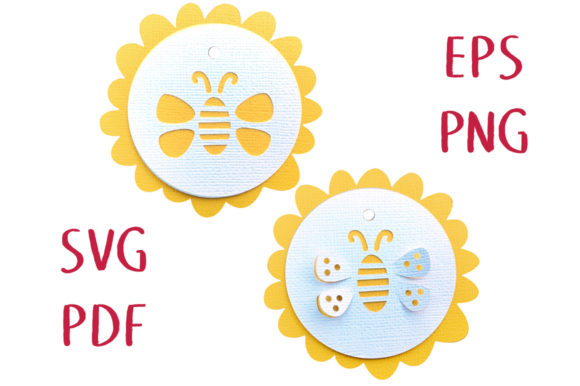
The core value of the Bee Gift Tags Flat 3D SVG Cut File lies in its structural intelligence. Unlike standard flat vectors, this template is engineered for dimensional output. The design features a pretty layered papercut aesthetic that mimics complex hand-cutting techniques, yet it is optimized for machine execution. A critical detail in this specific design is that the wings of the 3D bee are meant to stay attached. This structural choice allows the user to gently curve the wings after cutting, creating a subtle but impactful 3D effect without requiring additional assembly steps like gluing separate pieces. This distinction is vital for anyone managing high-volume production or seeking to minimize material waste and labor time.
Pre-Production Planning and File Compatibility
Successful implementation begins before the cutting machine is even powered on. The first step in integrating Bee Gift Tags into your process is verifying technical compatibility. The digital file is supplied as an instant download in a zip archive containing SVG, EPS, PDF, and PNG formats. Each format serves a distinct purpose within a broader creative ecosystem.
- SVG (Scalable Vector Graphics): This is the primary format for most consumer-grade cutting machines, such as Cricut Design Space or Silhouette Studio. It retains vector data, ensuring clean cut lines regardless of scaling.
- EPS (Encapsulated PostScript): Ideal for professional graphic designers using Adobe Illustrator or CorelDRAW. This format allows for deeper editing of node points and layer organization before sending the job to a plotter.
- PDF: Useful for manual verification or printing prototypes on standard home printers if you wish to test scale and legibility before committing expensive cardstock.
- PNG: While not used for cutting, this raster image is essential for digital mockups, social media previews, or listing images on e-commerce platforms.
Before starting a batch production run, it is prudent to open the SVG file in your preferred software to inspect the layer structure. Ensure that the "wings" and the "body" layers are correctly grouped. Because the wings are designed to remain attached, check that there are no accidental break points in the vector path that might cause the machine to cut them completely free. This quality control step prevents wasted materials and ensures the 3D effect functions as intended.
Material Selection and Machine Configuration
The physical outcome of your Bee Gift Tags depends heavily on the interaction between the digital file and your chosen substrate. For a layered papercut look, cardstock weight is a critical variable. Lighter papers (65–80 lb) may curl too aggressively or lack the rigidity needed to hold the 3D wing shape. Heavier cardstocks (110–130 lb) provide excellent structural integrity but may require multiple passes on lighter-duty cutting machines.
When configuring your cutting machine, consider the following practical adjustments:
- Blade Depth: Set the blade depth to cut through the cardstock cleanly without scoring the cutting mat. A clean cut is essential for the delicate connections holding the bee wings.
- Pressure Settings: If using intricate details in the papercut background, increase pressure slightly to ensure small interior pieces are fully released.
- Matting Strategy: Use a standard grip mat for most cardstocks. For textured or glitter papers, a strong grip mat prevents shifting, which is crucial for maintaining the alignment of layered elements.
It is also advisable to perform a test cut on a scrap piece of your chosen material. This allows you to verify that the attachment points for the wings are robust enough to survive the weeding process. If the connections are too thin, they may tear during removal; if too thick, the 3D curvature will be restricted. Adjusting the scale of the design by 5–10% can sometimes resolve these structural issues without compromising the overall aesthetic.
Assembly and Finishing Techniques
Once the cutting process is complete, the workflow shifts to assembly. The unique selling point of this Bee Gift Tags Flat 3D SVG Cut File is the minimal assembly required. Since the wings are attached, the primary task is shaping rather than constructing. Gently curve the wings using a bone folder or the edge of a ruler. This action creates shadow and depth, enhancing the visual complexity of the tag without adding labor-intensive glue steps.
For those utilizing a multi-layer approach, alignment is key. If you are combining the bee cutout with a solid backing card or a contrasting color layer, use registration marks or a light box to ensure precise placement. Consistency in alignment contributes to a professional finish, which is particularly important for small business owners selling these tags as part of a premium product package.
Consider the finishing touches that integrate the tag into the final gift or product. Hole punching should be done after the 3D shaping is complete to avoid distorting the paper. Reinforcing the hole with a small metal eyelet or a piece of clear tape on the back can prevent tearing, especially if the tag is attached to heavy items. This small addition enhances durability and perceived quality, extending the lifecycle of the tag beyond the initial unboxing experience.
Workflow Integration for Businesses and Educators
For entrepreneurs and small business owners, Bee Gift Tags can be standardized into a branding protocol. By selecting a consistent color palette that aligns with brand identity, these tags become a recognizable signature element. Batch processing is highly effective here: cut fifty or one hundred tags at once, shape the wings in an assembly-line fashion, and store them in flat, protective sleeves until needed. This approach decouples the time-intensive cutting process from the immediate packing workflow, allowing for faster order fulfillment during peak seasons.
Educators and community organizers can leverage these tags for event management or student projects. The clear, bold shapes of the bee design make them suitable for teaching basic papercraft techniques. Students can learn about symmetry, vector design, and material properties by manipulating the 3D elements. In this context, the digital file serves as a teaching resource, bridging digital literacy with hands-on creativity.
Marketers and bloggers can use the PNG and SVG files to create cohesive visual content. The bee motif can be integrated into digital newsletters, social media graphics, or blog headers, creating a unified visual language across both physical and digital touchpoints. This cross-channel consistency reinforces brand recognition and enhances the professional perception of your creative output.
Long-Term Usability and Organization
To maximize the value of your Bee Gift Tags digital asset, implement a robust file organization system. Store the original zip file in a cloud backup service to prevent data loss. Create a dedicated folder for "Cutting Files" with subfolders for "Tags," "Cards," and "Decor." Within these folders, name files descriptively, including the date of purchase and version number if updates are released.
Document your successful material and machine settings in a spreadsheet or notebook. Record which cardstock brands worked best, what blade depth was used, and any specific weeding tips you discovered. This documentation creates a knowledge base that reduces trial and error in future projects, allowing you to replicate high-quality results consistently. Over time, this accumulated expertise becomes a competitive advantage, enabling you to take on more complex projects with confidence.
In conclusion, the Bee Gift Tags Flat 3D SVG Cut File is a versatile tool that fits seamlessly into various creative and professional workflows. By understanding its structural nuances, optimizing material choices, and integrating it into a systematic production process, you can achieve high-quality, efficient outcomes. Whether used for commercial packaging, educational activities, or personal expression, these tags offer a blend of aesthetic charm and practical functionality that supports sustained creative productivity.