Mastering the Comic Book Editable Text Effect: A Practical Guide for Designers
In the evolving landscape of digital design, nostalgia has become a powerful tool for engagement. Among the various stylistic choices available to modern creators, the Comic Book Editable Text Effect stands out as a distinct category that bridges the gap between retro aesthetics and contemporary workflow efficiency. For designers, marketers, and content creators aged 20 to 50, understanding how to effectively implement this style is less about following a trend and more about leveraging a specific visual language that communicates energy, action, and approachability.
This article explores the nuances of using editable 3D comic text effects, evaluates their place within broader design toolkits, and provides a framework for deciding when this resource is the optimal choice for your project.
Defining the Modern Comic Aesthetic
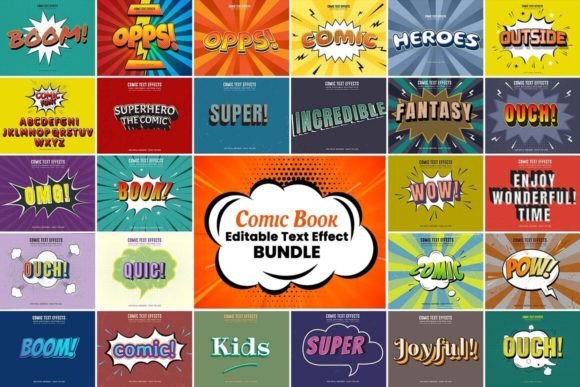
At its core, a Comic Book Editable Text Effect is a pre-styled typographic treatment that mimics the hand-lettered, inked, and colored styles found in mid-20th-century print comics. However, unlike static images or manual vector drawings that require hours of layering and shading, modern iterations of this effect are built for flexibility. They typically utilize vector-based structures or smart objects that allow users to swap out text while retaining complex attributes such as extrusion, halftone patterns, and weathered textures.
The defining characteristic of these effects is their "dripping" vintage charm. This involves a combination of bold, sans-serif or display fonts that scream vintage comics, paired with three-dimensional depth. The 3D aspect is crucial; it transforms flat letters into dynamic, multi-dimensional masterpieces that appear to pop off the screen. This dimensionality is often achieved through layered offsets, drop shadows, and highlight gradients that simulate physical materials like plastic, rubber, or painted wood.
Comparing Approaches: Custom Creation vs. Bundled Resources
When considering how to achieve a comic book look, designers generally face two primary paths: building the effect from scratch or utilizing a specialized bundle package. Understanding the tradeoffs between these approaches is essential for efficient project management.
The Custom Workflow
Creating a high-quality 3D comic text effect manually requires a robust skill set in software like Adobe Illustrator or Photoshop. The process involves:
- Selecting appropriate base typography.
- Manually creating extrusions using blend tools or 3D modules.
- Applying complex gradient meshes to simulate lighting.
- Adding texture overlays to achieve an authentic, weathered look.
- Adjusting kerning and spacing to ensure readability within the bulky 3D structure.
While this method offers total creative control, it is time-intensive. For professionals billing by the hour or working on tight deadlines, the return on investment for manual creation can be low unless the project demands a completely unique, bespoke typographic identity.
The Bundle Advantage
In contrast, introducing the ultimate Illustrator bundle package for a 3D comic text effect shifts the workflow from creation to curation. These bundles are designed to make creative projects pop with minimal technical friction. The primary advantage here is speed and consistency. By selecting from a range of retro fonts and pre-made backgrounds, designers can instantly transport their audience into the world of classic comic books without needing deep expertise in 3D modeling or texture mapping.
For many users, the "no skill needed, just one click" promise of modern vector text effects is not merely marketing hype but a functional reality. These resources often come with granted usability rights, ensuring that the assets work seamlessly across different versions of design software. This accessibility lowers the barrier to entry, allowing hobbyists and junior designers to produce work that rivals senior-level outputs in terms of visual polish.
Evaluating Key Components of the Effect
To make an informed decision about using a comic book text effect bundle, it is helpful to break down its constituent parts. Not all bundles are created equal, and understanding what constitutes a high-quality resource will help you evaluate options effectively.
Typography and Font Selection
The foundation of any comic effect is the font. A versatile bundle should include a collection of editable fonts that capture the essence of the genre. Look for typefaces that feature irregular edges, varying stroke widths, and bold weights. The best resources provide fonts that are not only visually striking but also legible at various sizes. Whether you are designing a large-format poster or a small web graphic, the typography must remain clear.
Texture and Authenticity
Flat colors rarely convey the vintage appeal associated with comic books. The inclusion of texture overlays is what separates a generic 3D text effect from an authentic one. High-quality bundles include textures that simulate paper grain, ink bleed, and wear-and-tear. These elements add an authentic, weathered look to the text, grounding the digital creation in a tactile reality. When evaluating a bundle, check if these textures are applied as non-destructive layers, allowing you to adjust their opacity or blending modes to suit your specific background.
Background Integration
A common oversight in text design is ignoring the context in which the text sits. Pre-made backgrounds included in comprehensive bundles serve a dual purpose: they provide immediate visual context and demonstrate how the text effect interacts with different color palettes and patterns. Halftone dots, starbursts, and abstract shapes are typical components that help frame the text and enhance the overall composition.
Strategic Use Cases and Limitations
While the Comic Book Editable Text Effect is versatile, it is not a universal solution for every design challenge. Recognizing when to use it—and when to avoid it—is a mark of professional judgment.
Ideal Scenarios
- Event Promotion: Posters for comic conventions, retro-themed parties, or gaming tournaments benefit immensely from the high-energy, nostalgic vibe of 3D comic text.
- Brand Identity for Niche Markets: Brands targeting collectors, gamers, or enthusiasts of pop culture can use these effects to create hero logos that resonate with their audience’s interests.
- Social Media Graphics: In crowded feeds, the bold colors and dimensional depth of comic text can stop the scroll, making it effective for promotional posts or announcements.
- Educational Materials: For engaging younger audiences or simplifying complex topics, comic-style headers can make content feel more approachable and less intimidating.
When to Consider Alternatives
There are situations where this style may detract from the message. Corporate communications, legal documents, or luxury brand campaigns typically require a more subdued, minimalist aesthetic. The playful and chaotic nature of comic book text can clash with tones of seriousness, exclusivity, or tranquility. Additionally, if accessibility is a primary concern, ensure that the 3D effects do not compromise readability for users with visual impairments. High contrast and clear letterforms are essential, regardless of the stylistic embellishments.
Making the Right Choice for Your Project
Choosing the right resource involves balancing aesthetic goals with practical constraints. If your goal is to elevate your design game quickly while maintaining a high standard of visual quality, a well-curated bundle is a strategic investment. It allows you to focus on composition and messaging rather than getting bogged down in technical execution.
However, always review the licensing terms. Ensure that the "100% granted" usage rights cover your intended commercial applications. Furthermore, test the editability of the files. A true editable effect should allow you to change the text string without breaking the 3D structure or requiring manual realignment of shadows and highlights.
In conclusion, the Comic Book Editable Text Effect offers a compelling blend of nostalgia and modern convenience. By understanding its components, comparing it against manual workflows, and recognizing its best-fit scenarios, you can leverage this tool to create impactful, memorable designs. Whether you are a seasoned designer looking to streamline your process or an enthusiast seeking to bring a creative vision to life, this approach provides a reliable pathway to achieving professional-grade results with vintage charm.