Elevating Digital Craftsmanship: The Strategic Value of Puzzle Numbers in Modern Design Workflows
In the rapidly evolving landscape of digital fabrication and creative entrepreneurship, the distinction between a standard asset and a premium resource often lies in versatility and precision. For professionals ranging from graphic designers to small business owners, the tools chosen for production directly impact efficiency, brand perception, and ultimately, profitability. This is where the concept of Puzzle Numbers emerges not merely as a stylistic choice, but as a functional necessity in the current market. By integrating a comprehensive collection of numbers 0-9 available in SVG format, creators are unlocking new potentials in customization, layering, and application across diverse mediums.
The shift toward personalized consumer goods has accelerated dramatically over the last decade. Whether it is a bespoke birthday celebration, a custom apparel line, or intricate cake toppers for high-end events, the demand for unique, tactile experiences is driving the industry forward. In this context, the availability of a zipped folder containing layered 3D SVG files represents more than just a download; it signifies access to a streamlined workflow that bridges the gap between digital design and physical realization. These assets are engineered to be compatible with industry-standard software such as Silhouette Studio and Cricut Design Space, ensuring that the transition from concept to cut is seamless.
The Evolution of Layered Design Assets
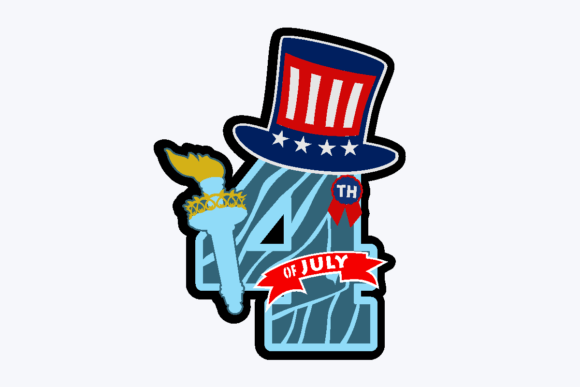
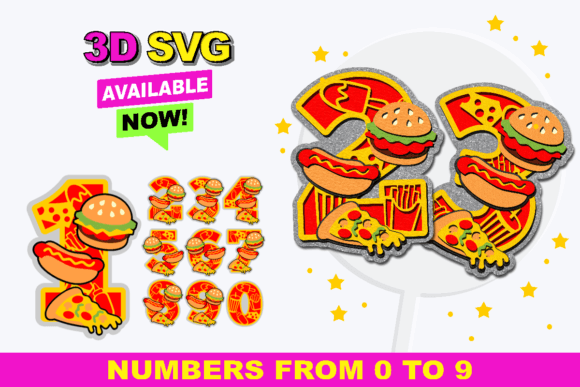
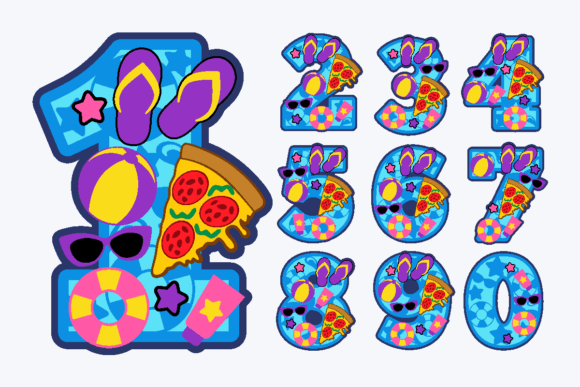
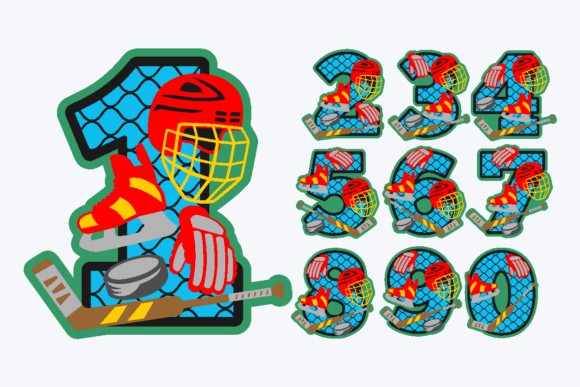
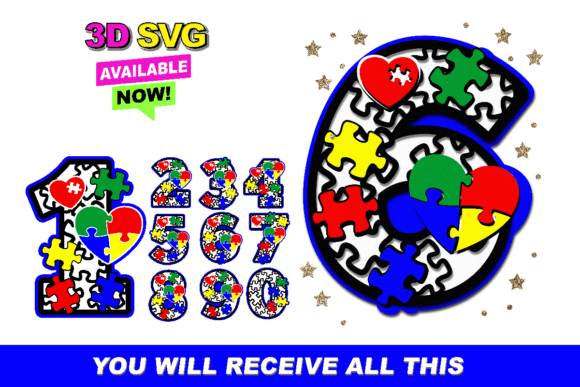
Traditionally, creating multi-dimensional text or numerical displays required significant manual effort. Designers had to manually offset paths, create shadows, and ensure alignment across multiple layers—a process prone to human error and time-consuming revisions. The introduction of pre-layered Puzzle Numbers changes this dynamic entirely. This 3D SVG collection includes three distinct layered files for each numeral, meticulously structured to facilitate depth and dimension without the need for complex vector manipulation.
This structural sophistication addresses a critical pain point in the creator economy: scalability. For freelancers and entrepreneurs managing tight deadlines, the ability to download a single zipped folder and immediately begin production is invaluable. The files are optimized for cutting machines, meaning the paths are clean, closed, and ready for execution. This level of readiness allows professionals to focus on the creative aspects of their projects—such as material selection, color theory, and composition—rather than getting bogged down in technical file preparation.
Furthermore, the compatibility of these files extends beyond the most popular cutting machines. While the primary optimization is for Silhouette and Cricut ecosystems, the universal nature of the SVG format ensures that users with alternative machinery can also leverage these assets, provided their software supports standard vector imports. This inclusivity broadens the market reach, allowing a wider array of makers to participate in the trend of 3D papercraft and layered vinyl applications.
Aligning with Market Trends and Consumer Expectations
The resurgence of handmade and customized goods is not a fleeting trend; it is a fundamental shift in consumer behavior. Modern consumers value authenticity and personalization. They seek products that tell a story or reflect a specific moment in time, such as a milestone birthday or a wedding anniversary. Puzzle Numbers fit perfectly into this narrative by offering a playful yet sophisticated aesthetic that stands out against flat, one-dimensional designs.
Consider the event planning sector. Cake toppers have evolved from simple plastic figures to intricate, multi-layered masterpieces that serve as focal points for celebration tables. The use of 3D layered numbers allows for the creation of depth using cardstock, acrylic, or even wood veneers. When light hits these layered edges, it creates shadows and highlights that give the number a tangible presence, enhancing the visual appeal of the event. Similarly, in the realm of apparel, heat transfer vinyl (HTV) applications benefit immensely from layered designs. A t-shirt featuring a puzzle-style number with contrasting colors for the base, mid-tone, and highlight layers offers a professional finish that mimics screen printing but with the flexibility of on-demand production.
Moreover, the educational sector has taken notice of the engaging nature of puzzle-style typography. Teachers and parents utilize these cut files to create interactive learning materials, stickers, and classroom decorations that make numeracy fun and visually stimulating. The "puzzle" aspect implies interactivity, inviting children to engage with the numbers physically, which aligns with modern pedagogical approaches that emphasize hands-on learning.
Practical Applications Across Industries
The utility of a robust number collection extends far beyond simple decoration. For marketers and brand strategists, these assets provide a quick way to produce promotional materials that require specific dates or numerical data presented creatively. Imagine a real estate agent creating open house signage with large, dimensional house numbers, or a retail store launching a sale campaign with eye-catching window decals featuring discount percentages constructed from layered SVGs.
- Event Production: Create custom table numbers, photo booth props, and backdrop elements that withstand close-up photography.
- Apparel Manufacturing: Produce limited-run sports jerseys, team uniforms, or fashion statements using multi-color HTV layering techniques.
- Stationery and Paper Goods: Design high-end greeting cards, invitations, and scrapbooking elements where texture adds perceived value.
- Home Decor: Craft wall art, nursery decorations, and seasonal ornaments that bring a modern, geometric flair to interior spaces.
The versatility of the zipped folder format cannot be overstated. It organizes the assets logically, ensuring that all variations of the numbers 0-9 are accessible in one location. This organization supports efficient workflow management, a crucial factor for businesses operating at scale. Instead of hunting for individual files across various platforms, the creator has a centralized library ready for deployment.
Technical Considerations and Workflow Optimization
While the aesthetic appeal is obvious, the technical underpinnings of these files are what truly empower the user. The 3D effect is achieved through precise layering, where each subsequent layer is slightly offset or scaled to create the illusion of depth. When importing these files into software like Cricut Design Space or Silhouette Studio, the layers are often grouped or colored distinctly to aid in the weeding and stacking process. This attention to detail reduces material waste, as users can accurately preview how the final cut will look before sending the job to the machine.
For those utilizing different types of machines, the emphasis remains on file integrity. SVG (Scalable Vector Graphics) is an open standard that maintains quality regardless of scaling. Whether the number is resized to fit a small sticker or expanded for a large banner, the vectors remain crisp. However, users are advised to verify their specific machine's capabilities regarding layer registration and cut settings, especially when working with thicker materials like chipboard or dense acrylics.
The integration of these files into existing workflows also supports the growing trend of hybrid crafting. Many creators now combine digital cutting with traditional hand-finishing techniques. The clean cuts provided by these optimized SVGs serve as a perfect foundation for adding embellishments like glitter, resin, or hand-painted details, further expanding the creative possibilities.
The Future of Digital Asset Utilization
As technology continues to lower the barriers to entry for manufacturing and crafting, the competition among creators will increasingly rely on the quality and uniqueness of their designs. Generic, flat fonts are becoming ubiquitous, making it harder for brands to distinguish themselves. Puzzle Numbers offer a strategic advantage by providing a distinctive look that is both trendy and timeless. The geometric, interlocking nature of the design appeals to contemporary tastes while maintaining readability and function.
Furthermore, the environmental aspect of digital downloads supports a more sustainable model of consumption. By purchasing a digital zipped folder, creators eliminate the need for shipping physical goods, reducing carbon footprints. They only produce what is needed, when it is needed, minimizing inventory waste. This aligns with the values of many modern consumers who prioritize sustainability in their purchasing decisions.
In conclusion, the adoption of specialized assets like the Puzzle Numbers collection is a明智 move for any professional looking to enhance their output. It represents a convergence of artistic vision and technical efficiency. By leveraging these 3D layered files, creators can meet the rising demand for personalized, high-quality products while streamlining their production processes. Whether used for cake toppers, shirts, stickers, or complex installations, these numbers provide the building blocks for innovation in the digital crafting era.
The marketplace rewards those who adapt quickly to new tools and trends. Embracing the capabilities of advanced SVG collections allows entrepreneurs to expand their service offerings, improve turnaround times, and deliver exceptional value to their clients. As the boundary between digital design and physical creation continues to blur, resources that facilitate this connection will remain indispensable. The Puzzle Numbers collection stands as a testament to this evolution, offering a practical, versatile, and forward-thinking solution for the modern maker.